Delinquent property taxes in Miami County arise when annual property tax payments are not submitted by the official deadlines. These unpaid taxes trigger tax penalties and accrue additional interest over time, creating a growing back taxes balance. Property owners may receive formal notices from the Treasurer’s office, indicating the overdue amounts and potential legal consequences, including the placement of a tax lien on the property. Understanding this process helps residents anticipate fees and stay informed about their obligations.
The delinquency process in Miami County follows a structured timeline designed to alert property owners before escalation. As outlined on the Official Miami County Auditor Site, missed payments are documented as unpaid property taxes and may accumulate interest charges and statutory late fees over time. If delinquent balances remain unresolved, they can progress to legal claims, tax liens, public auctions, or foreclosure actions. By explaining how late payments, penalties, and enforcement measures interact under county guidelines, this section provides a clear and accurate overview of delinquent property taxes and helps property owners understand their responsibilities.
What Are Delinquent Property Taxes?
Delinquent property taxes occur when a property owner fails to pay their property taxes by the due date. In Miami County, these unpaid taxes trigger a series of administrative and legal steps designed to recover the owed amounts. Property taxes are normally assessed annually and are used to fund local services such as schools, road maintenance, and public safety. When a payment is missed, the amount owed becomes classified as delinquent, which sets off the county’s collection process. Unlike regular property taxes, delinquent taxes carry additional penalties, interest, and the potential for a tax lien on the property. Property owners often encounter delinquency due to oversight, financial hardship, or misunderstanding of deadlines. Regardless of the reason, once taxes are delinquent.
The county may take steps that include:
- Interest Accrual: Additional charges accumulate each month the taxes remain unpaid.
- Penalties: Fixed fines or percentages are applied on top of the overdue amount.
- Tax Lien: The county may place a legal claim on the property, giving the government a priority right to collect payment.
These actions are designed to encourage timely payment and protect public funding. Property owners with delinquent taxes may also face restrictions on transferring ownership or selling the property until the debt is resolved.
Why Property Taxes Become Delinquent in Miami County
Property taxes in Miami County become delinquent when payments are not received by the due date. This typically triggers a series of administrative steps that may result in additional penalties and enforcement actions.
Late Property Tax Payments in Miami County
Several common factors contribute to late property tax payments in Miami County. Many property owners simply forget or miss the annual or semi-annual due dates. Others may experience financial difficulties that prevent timely payment. In some cases, miscommunication or mailing errors can delay receipt of tax bills, leaving property owners unaware of the payment deadline. Seasonal residents or property owners with multiple properties may also overlook obligations, increasing the risk of delinquency.
How the Delinquency Process Works
The delinquency process begins shortly after the due date passes. When a tax payment is late, the Miami County Treasurer’s office records the unpaid balance and applies interest or penalties. A notice is usually sent to the property owner, highlighting the overdue amount and the steps needed to correct it.
Enforcement Measures and Back Taxes
If taxes remain unpaid, the property may be subject to further tax enforcement measures, such as a tax lien or public notification. These steps are intended to ensure that the county can collect necessary revenue while providing property owners with a clear timeline to address their back taxes.
The Delinquency Process in Miami County
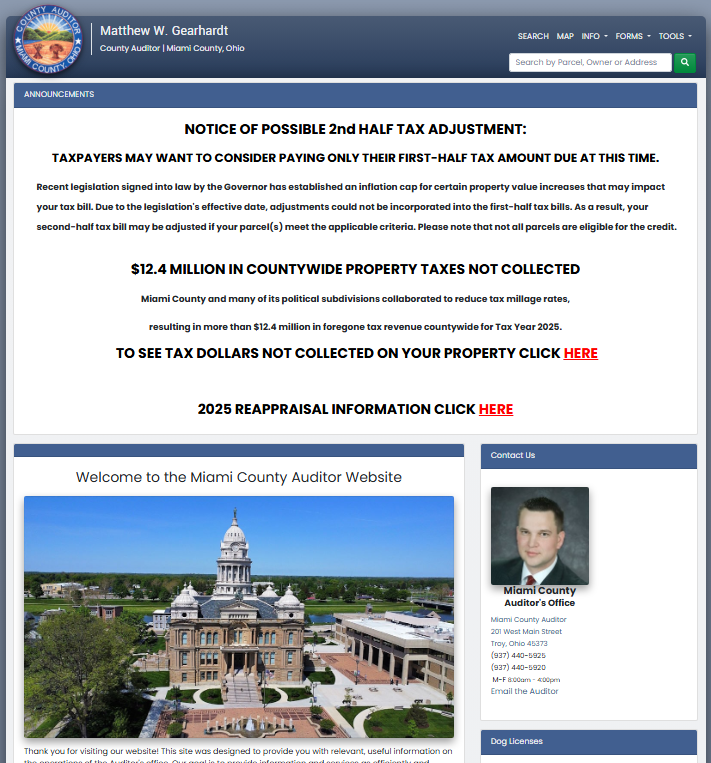
In Miami County, property taxes become delinquent when a payment is not received by the due date. Once taxes are unpaid, the county initiates a structured process to recover the funds, which can eventually lead to a tax lien or https://www.miamicountyohioauditor.gov/ property sale. Property owners are encouraged to follow the process closely, as each stage carries specific consequences and opportunities to resolve unpaid taxes. The Miami County Treasurer and Auditor oversee these steps, ensuring proper enforcement of tax laws.
Steps Delinquency Timeline
The delinquency process in Miami County typically follows a defined timeline. Property owners should be aware of each stage to manage obligations effectively:
- Initial Due Date: Property taxes are usually due by January 20 and July 20 of each year for real estate. Missing these deadlines starts the delinquency process.
- First Notice of Delinquency (30 Days): If a payment is late, the Miami County Treasurer sends a notice reminding the owner of unpaid taxes. This notice includes the amount due, penalties, and interest.
- Second Notice / Penalty Assessment (60 Days): Additional interest and late payment penalties are added to the balance. At this stage, delinquent taxes may start to accrue at 1.5% per month, as regulated by Ohio law.
- Tax Lien Filing (90 Days to 120 Days): If taxes remain unpaid, the county files a tax lien against the property. This legal claim ensures the county has priority in collecting the debt if the property is sold. A lien may impact the owner’s ability to refinance or sell the property.
- Public Notice & Auction Preparation (180+ Days): After continued nonpayment, the property may be scheduled for a tax sale at public auction. Notices are published publicly and mailed to the property owner. The sale allows the county to recover the unpaid balance through a competitive bidding process.
Throughout these stages, the process remains transparent, and official communications always come from the Miami County Treasurer’s Office or the Auditor’s Office. For official reference, property owners can consult the Miami County Treasurer’s resources.
Penalties, Interest, and Fees for Delinquent Taxes
Delinquent property taxes in Miami County can quickly lead to additional costs. Property owners who fail to pay on time may face penalties, interest fees, and other charges that increase the total amount owed. When taxes remain unpaid past the due date, Miami County applies late payment penalties to encourage timely compliance. These penalties typically start as a percentage of the unpaid tax balance and may increase over time if payment is further delayed. Interest accrues daily or monthly on the outstanding amount, adding to the total owed. Both penalties and interest are calculated according to local regulations set by the Miami County Treasurer’s Office.
How Penalties and Interest Work
- Late Payment Penalty: Usually a fixed percentage of the unpaid tax, often around 10%–18%, depending on how long the payment is overdue.
- Interest Fees: Interest begins accruing after the due date, calculated as a percentage of the unpaid balance, compounding monthly.
- Additional Charges: If taxes remain unpaid for extended periods, fees for notices, collection, and administrative costs may be added.
For example, if a property tax bill of $2,000 is unpaid past the due date and the county applies a 10% penalty with 1% monthly interest, the calculation could look like this:
| Item | Amount |
|---|---|
| Original Tax | $2,000 |
| Late Penalty (10%) | $200 |
| Interest for 3 months (1% per month) | $60 |
| Total Due | $2,260 |
Tax Liens and Legal Consequences
A tax lien is a legal claim the government places on a property when property taxes remain unpaid. If the delinquent taxes are not addressed, the lien can lead to significant legal and financial consequences for the property owner. A lien gives the county a legal right to the property until the owed taxes, penalties, and interest are fully paid. In Miami County, the Treasurer’s office can file a lien against a property after taxes remain unpaid for a specified period. This action ensures that the government secures its interest before the property can be sold or transferred. Property owners may receive formal notices before a lien is recorded, and the lien itself is typically a public record.
How a Tax Lien Affects Property:
- Limits property transactions: A lien must be resolved before a property can be sold or refinanced.
- Accrues interest and penalties: The amount owed continues to grow, increasing financial liability.
- Impacts credit indirectly: While not a traditional credit score factor, liens appear in public records and may affect financial decisions.
Once a lien is recorded, the property enters the county’s tax enforcement process. The property owner has the opportunity to pay the delinquent taxes and associated fees to remove the lien. If unpaid, Miami County may eventually sell the lien at a tax lien sale or foreclose on the property to recover owed amounts. Each step is intended to recover unpaid taxes while following legal procedures and notifications.
Legal Consequences of Unpaid Property Taxes
Remaining delinquent on property taxes can trigger multiple consequences, including:
- Accumulating Financial Obligations
- Late payment penalties, interest, and administrative fees continue to grow.
- Property owners may face compounded charges that make resolving the debt more difficult.
- Tax Lien Recording
- Filing a lien secures the county’s claim to the property.
- A lien remains until the full balance is satisfied, potentially for years if unpaid.
- Potential Foreclosure
- Persistent nonpayment can lead to foreclosure proceedings.
- Foreclosure may result in the property being sold at auction to recover back taxes.
- Public Record Disclosure
- Liens are recorded in public databases.
- Interested parties, including future buyers and lenders, can view the property’s lien status.
Miami County property owners can consult the Treasurer’s official website for details on lien procedures, redemption periods, and official notices: Miami County Treasurer – Tax Lien Information.
How to Resolve Delinquent Property Taxes in Miami County
Paying delinquent property taxes in Miami County involves a few straightforward steps, and property owners have multiple options to settle their back taxes. Residents can resolve unpaid taxes through mail, online portals, or in-person payment at the Treasurer’s office. Property tax redemption begins once a tax becomes delinquent. The Miami County Treasurer provides clear instructions for property owners to bring their accounts current and prevent further penalties. Unpaid taxes continue to accrue interest and fees, so acting promptly can help minimize additional costs.
Steps Process to Pay Back Taxes
Property owners should first review their tax statements to identify the total amount due, including late fees and interest. The Treasurer’s office maintains accurate records of delinquent accounts, and these figures are essential for completing payment. Once the total is confirmed.
There are several payment options available:
- Online Payments: Miami County offers secure online portals where residents can pay delinquent taxes using debit or credit cards. These portals typically calculate the total, including penalties, automatically.
- Mail Payments: Checks or money orders can be sent to the Treasurer’s office. Include the property parcel number and any required forms to ensure proper processing.
- In-Person Payments: Visit the Miami County Treasurer’s office during business hours to pay in cash, check, or card. Staff can assist with questions and confirm receipt immediately.
Each payment method ensures the property tax redemption process is completed, reducing the risk of liens or legal actions.
The Redemption Process
Property tax redemption allows owners to restore their property to good standing after it becomes delinquent. This process includes paying all outstanding taxes, accrued interest, and any applicable fees. Once the payment is processed, the Treasurer updates the property’s account, and official records reflect the resolved status. It is important to track deadlines carefully. The longer taxes remain unpaid, the more tax penalties and interest accumulate, potentially increasing the total owed significantly. Property owners should review notices from the Treasurer regularly to stay informed about redemption periods.
Additional Options and Considerations
In some cases, Miami County may offer payment plan options for delinquent taxes, allowing property owners to spread payments over time. These plans are subject to approval by the Treasurer and often include interest charges, but can prevent escalation to tax lien sales.
Key tips for a smooth resolution include:
- Keep records of all payments and receipts.
- Confirm the property parcel number is included on every form or payment.
- Contact the Treasurer’s office for clarification if totals or penalties are unclear.
By following these steps, property owners can resolve delinquent taxes efficiently, reduce additional fees, and restore the property’s standing in Miami County.
(FAQ) About Delinquent Property Taxes
Property owners in Miami County often have questions about delinquent property taxes, penalties, and the steps needed to resolve unpaid accounts. This FAQ provides clear answers to common concerns and explains key terms like tax lien, redemption period, and back taxes.
What happens if a property tax payment is missed in Miami County?
Missing a property tax payment immediately makes the account delinquent, and penalties begin to accrue. Over time, unpaid taxes may result in a tax lien, which creates a legal claim on the property until the debt is paid. The Treasurer adds interest and late fees to the account, increasing the total owed. Property owners should monitor deadlines and review notices to prevent further penalties or legal consequences.
How is a tax lien filed in Miami County?
A tax lien is filed when property taxes remain unpaid past the delinquency period, creating a public record of the county’s legal claim. Interest and fees continue to accumulate during this time. The lien can affect refinancing, selling, or transferring the property until all back taxes are paid. Property owners should track official notices from the Treasurer to stay informed and maintain compliance.
Can delinquent property taxes be paid online?
Yes, Miami County allows overdue taxes to be paid through the Treasurer’s online portal. Payments can usually be made with credit cards, debit cards, or electronic checks, ensuring immediate recording. Online payment helps prevent additional interest or penalties. Receipts should be saved as proof, and property owners should verify the total due, including all fees and interest, before submitting payment.
What is the redemption period for unpaid taxes in Miami County?
The redemption period is the timeframe in which property owners can pay delinquent taxes to remove a lien. In Miami County, this period generally lasts several years, depending on property type and tax rules. Paying all back taxes, interest, and fees clears the lien and protects property rights. If unpaid during this period, the property may face a tax foreclosure sale. Acting early ensures ownership is preserved and costs are minimized.
Who should be contacted for questions about Miami County property taxes?
Questions about delinquent taxes should be directed to the Miami County Treasurer’s Office, which provides information on payments, penalties, and the delinquency process. The office can be reached by phone, email, or in person. Staff explain tax liens, installment plans, and property statements, ensuring accurate guidance. Keeping records of communications is recommended for reference and clarity.