Miami County Jail provides clear information on inmates and visitation for the public. Users can quickly locate inmate details, check custody status, and understand visitation options. The jail offers both on-site and video visits to maintain safe communication. Each visitor must follow the rules for approved visits, dress, and behavior. Official resources ensure that all data is accurate and up-to-date. Visitors can see schedules, eligibility requirements, and how to plan visits efficiently. This makes it easier for family members to maintain connections. The jail prioritizes both safety and transparency in its operations.
Families and friends can communicate with inmates through approved phone services, mail, and commissary deposits while following facility guidelines. The Official Miami County Auditor Site acts as a trusted source for verified county and inmate-related information, helping users understand visitation rules, scheduling requirements, and current inmate status. Attorneys and clergy may request visits outside regular hours through special procedures, and all video visitations are monitored to ensure safety and security. Appointments must be scheduled in advance, visitors must be registered, and conduct rules are strictly enforced. Miami County Auditor, Ohio Jail Inmate resources provide accurate, real-time updates that make planning visits and managing communication simple and reliable.
What Is the Miami County Jail & How Does It Work
The Miami County Jail is a secure facility that houses individuals awaiting trial or serving short-term sentences. It operates under the authority of the Miami County Sheriff’s Office and provides a range of services for inmates. The Miami County Jail serves as the primary detention center for the county, ensuring public safety while managing inmate care and daily operations. The Sheriff’s Office oversees all aspects of the facility, including security, inmate programs, and coordination with courts. This oversight ensures that the jail maintains order, enforces regulations, and provides necessary support services for those in custody. The Sheriff’s website offers official updates, policies, and contact information for residents seeking more details about the jail and its functions.
The facility accommodates a variety of inmates, including pre-trial detainees, sentenced individuals serving short terms, and special categories such as work-release participants. Staff members follow strict protocols for intake, classification, and housing assignments, helping maintain safety and fairness. Inmates have access to necessities, including meals, medical care, and limited recreational opportunities.
Jurisdiction and Oversight
The Miami County Sheriff’s Office has full jurisdiction over the jail. Deputies and corrections officers monitor the facility 24/7, enforcing rules and ensuring safety for both staff and inmates. The Sheriff also coordinates with local courts to manage inmate transfers, court appearances, and compliance with legal requirements.
Key responsibilities include:
- Security management: Controlling inmate movement and preventing disturbances.
- Inmate programs: Educational, work, and rehabilitation activities.
- Legal coordination: Arranging court appearances, serving warrants, and handling releases.
- Community safety: Ensuring the jail operates efficiently and securely within the county.
Services and Operations
The jail provides structured daily routines to maintain order and support rehabilitation. Typical services include:
- Meal provision: Nutritious meals are delivered according to dietary and health needs.
- Medical care: Access to healthcare services for both physical and mental health concerns.
- Communication: Inmates can make phone calls or receive messages under supervised conditions.
- Visitation: Both in-person and video visits are available, following strict rules to protect safety and privacy.
The facility also implements video monitoring, secure entrances, and staff training programs to maintain compliance with state regulations. Residents and families can access official resources through the Miami County Sheriff’s website for accurate information regarding policies, visitation schedules, and inmate services.
Miami County Inmate Search: How to Find an Inmate
Finding an inmate in Miami County is straightforward using official lookup tools. Residents can check current inmates, booking information, and custody status quickly and accurately. Miami County provides official resources to help the public locate inmates efficiently. These resources include online databases and in-person options at the Miami County Jail. Knowing how to use these tools and what information is available can save time and ensure accurate results.
Official Inmate Lookup Tools
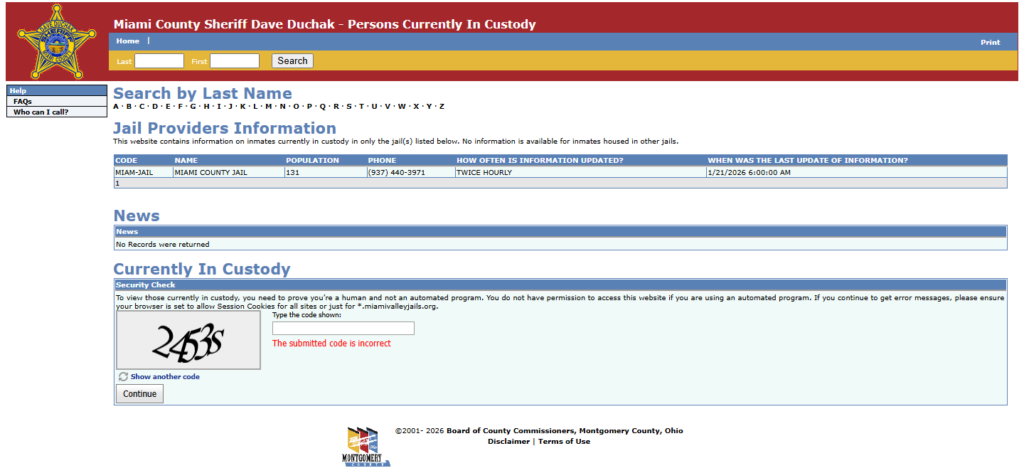
The primary method to search for inmates in Miami County is through official databases. The Miami Valley Jail system provides a reliable roster of current inmates. Visitors can view information about bookings, custody status, and scheduled court dates.
Official Tool URL: Miami County Jail Inmate Search
https://miami.miamivalleyjails.org/
How to access the tools:
- Visit the official page above.
- Use the online roster for real-time updates.
- Confirm details with the jail’s administration if needed.
Official inmate lookup tools display verified information, ensuring safety and accuracy. These resources are regularly updated, reflecting recent bookings and releases. Using the official roster helps avoid misinformation from third-party sites.
Step Search Instructions
Performing an inmate search requires specific information to narrow results. The system allows searches using:
- Full Legal Name: Enter the inmate’s first and last names exactly as registered.
- Booking Number: A unique identifier for each incarceration event.
- Date of Birth: Helps distinguish inmates with similar names.
What Information You’ll See
Once an inmate is located, the database provides essential details, including:
- Full Name: Legal name used during booking.
- Booking Date: The date the inmate entered the facility.
- Charges: Listed offenses and pending cases.
- Custody Status: Current detention status or release eligibility.
- Bond Information: If applicable, details on bond amounts or conditions.
- Court Dates: Scheduled hearings, trials, or other court appearances.
This structured information allows family members, attorneys, and officials to plan visits, prepare legal representation, or follow court proceedings. The data is updated consistently to reflect any changes in custody or court schedules.
If You Can’t Find an Inmate Online
Sometimes an inmate may not appear in the online system immediately. Booking data can take a few hours to update, and some inmates may be in temporary holding areas.
Options if online search fails:
- Call the Jail Administration: Direct communication can provide updated information.
- Visit the Facility: Staff can verify an inmate’s location or booking details in person.
It is common for online databases to have short delays. Contacting the Miami County Jail ensures the most accurate and up-to-date information.
Visitation at Miami County Jail
Miami County Jail offers structured visitation for both on-site and off-site video visits, with rules and schedules in place to ensure safety and fairness. Inmates are allowed one 30-minute visit per week, with extended time for certain workers, and all visits are monitored. Visitors must be approved, follow behavioral rules, and adhere to policies to maintain security and orderly interactions.
Overview of Visitation
Miami County Jail provides two types of visits: on-site, where visitors meet inmates inside the facility, and off-site video visits for those connecting remotely. Both are strictly regulated; visitors under the influence of alcohol or drugs, engaging in inappropriate conduct, or attempting to record visits are denied access. These measures protect the safety of inmates, staff, and visitors while ensuring that everyone has equal opportunity to visit.
Visiting Hours & Scheduling
Miami County Jail operates structured visitation hours to manage inmate interactions safely. Regular visitation is scheduled weekly, with extended times available for inmate workers.
Weekday and Weekend Hours:
- Each inmate is allowed one 30-minute visit per week.
- Inmate workers may have visits lasting up to one hour.
- Visits occur during regular jail hours and do not interfere with daily duties.
Appointment Requirements:
- All visitors must register and receive approval before visiting.
- Unapproved visitors are not permitted for video or on-site visits.
- Video visits can be denied or terminated for disruptive behavior.
Visitors are encouraged to check official schedules and confirm their appointments in advance to prevent delays or denial. Keeping appointments consistent ensures a smooth process for both inmates and staff.
How to Schedule a Visit
Scheduling a visit at Miami County Jail involves official platforms such as ICSolutions or the ICS Mobile app. Visitors must complete several mandatory steps to confirm a booking.
Steps Instructions:
- Register on ICSolutions: Create an account and enter the required personal details.
- Add Approved Visitor Information: Ensure all names and IDs match the visitor list.
- Select Inmate: Choose the inmate for the visit from the official roster.
- Pick a Date and Time: Choose an available slot that aligns with visiting hours.
- Confirm and Review Rules: Agree to behavioral and dress code policies.
Scheduling through official platforms helps avoid cancellations or conflicts and guarantees that both on-site and video visits comply with jail policies.
On‑Site Video Visitation Rules
On-site video visits at Miami County Jail are regulated to ensure safety and order. Each visit typically lasts 30 minutes per week, with limits on the number of visitors per session.
Key Rules:
- Visitors must present valid identification.
- Disruptive behavior or loud talking may result in early termination of the visit.
- Items such as cameras, recording devices, or unauthorized electronics are prohibited.
- Inmate workers may receive extended visit times up to one hour.
Maintaining proper conduct ensures that all approved visitors can enjoy a safe and secure interaction with inmates.
Off‑Site (Remote) Video Visits
Remote video visits let family and friends connect without traveling to the jail, using official secure systems. Visitors must have compatible devices and a stable internet connection, follow provider instructions, and may incur service fees. These remote visits provide flexibility while ensuring safety and adherence to jail policies.
Dress Code & Visitor Requirements
All visitors must present valid photo identification and wear appropriate attire, avoiding see-through, low-cut, or revealing clothing. Personal belongings, cameras, and unauthorized electronics are not permitted. Following these requirements ensures visits proceed smoothly and prevents denial of access, helping maintain a safe environment for inmates and staff.
Visitor Rules & Regulations
All visitors to Miami County Jail must follow clear rules to ensure safety and proper conduct. These rules apply to everyone, including family, friends, attorneys, clergy, and media representatives, and failure to comply can result in denied or terminated visits. Visitors are expected to follow behavior standards, dress appropriately, present valid identification, and adhere to restrictions on recording devices while respecting the jail environment.
General Rules for All Visitors
Every visitor must meet age requirements and avoid being under the influence of alcohol or drugs. Disruptive behavior, loud talking, or actions that threaten staff or inmates are strictly prohibited, and all instructions from jail personnel must be followed. Electronic devices such as cameras, phones, or recording equipment are not allowed during visits, and all video visitation sessions are monitored for safety, ensuring that visits proceed smoothly and securely.
Special Visitor Categories
Certain visitors, including attorneys, clergy, and media representatives, have specific privileges but must comply with additional rules. Attorneys may visit in person after presenting a valid bar card and photo ID, while clergy members can conduct visits without prior scheduling, using visitation phones and providing proof of clerical status. Media representatives require prior approval from the Sheriff or designee, and all visits are monitored to maintain safety, respect inmate privacy, and uphold security protocols.
Denied or Terminated Visits
Visits may be denied or terminated for failure to meet identification requirements, disruptive behavior, inappropriate conduct, or violation of court-issued restraining orders. The jail reserves the right to end visits immediately for safety, and repeated violations can result in permanent restrictions. Awareness of behavior standards, approved visitor lists, and specific visitation rules ensures that visits remain safe, orderly, and successful for all parties.
Inmate Communication Options
Inmates at Miami County Jail can stay in contact with family and friends through phone calls, mail, and commissary services, providing secure and structured ways to communicate while following jail rules.
Phone Services
Inmates have access to a secure phone system that allows outgoing calls during designated hours, with all calls monitored and recorded for safety. Calls are prepaid or billed to the recipient, and account balances determine the frequency of calls, while family and friends can deposit funds online or at jail kiosks. Some numbers may be blocked for security, and all calls must remain professional and respectful to maintain communication privileges.
Mail & Package Rules
Mail is a key way for inmates to communicate, but all letters and packages are inspected to ensure safety, with correspondence often scanned to tablets or delivered physically. Mail must include the inmate’s full name, booking number, and housing unit, while approved items include letters, cards, and certain paperback books mailed from authorized vendors. Prohibited items, such as cash, staples, or contraband, are not allowed, and following these rules helps prevent delays and ensures inmates can read messages promptly.
Sending Money
Inmates can receive funds to use for phone calls, commissary purchases, or other approved items through Access Corrections, either online, by phone, or at on-site kiosks. Deposited funds allow inmates to purchase snacks, hygiene items, and approved personal goods, while proper account management ensures families can support inmates responsibly and maintain their daily needs without interruptions.
Bail, Bond & Release Information
Bail and bond determine if an inmate can leave jail before their court date. The release process varies depending on the type of bond and the charges involved. How bail works and how to post bond help families, friends, and the public know what steps to take. Bail serves as a financial guarantee that an individual will return for court appearances, while the release process ensures the legal system maintains accountability.
Types of Bail
Bail can take several forms depending on the case and court order:
- Cash Bail: The full bail amount is paid in cash. Once the court case concludes, the money may be returned, minus any administrative fees.
- Surety Bond: A bail bondsman posts bail on behalf of the inmate. This usually requires a non-refundable fee, often a percentage of the total bail amount.
- Property Bond: A property of value is offered as collateral to secure release. This requires court approval and proper documentation.
- Personal Recognizance (PR) Bond: The court releases the inmate without a financial deposit, based on the guarantee that they will appear in court.
Each type has specific conditions, and the judge may impose additional requirements. The choice of bail method often depends on the severity of the charges, the inmate’s criminal history, and their ties to the community.
How to Post Bond
Posting bond ensures that the inmate can be released pending court hearings. The process generally follows these steps:
- Confirm the Bail Amount: Contact the Miami County Jail or check official court records to determine the correct bail.
- Select the Bail Method: Decide whether to pay cash, use a bail bondsman, offer property, or secure a PR bond.
- Provide Identification: The person posting bail must present valid identification and, if using a bondsman, the required documentation.
- Complete Paperwork: All forms must be signed, and any fees or collateral must be submitted before release.
- Release Notification: Once processed, the inmate is released and expected to appear at all scheduled court dates.
Using a licensed bail agent can simplify the process, especially for higher bail amounts. It is critical to ensure that all procedures follow local rules to avoid delays in release.
Why Bond Information Appears in Search Results
Bond and bail details often appear in public search results for transparency and public safety. Courts and sheriff’s offices maintain accessible records so families, legal representatives, and the public can:
- Verify an inmate’s custody status
- Confirm the bail amount required for release
- Track court dates and obligations
Displaying bond information online helps prevent misunderstandings, ensures accountability, and reduces unnecessary trips to jail. Many official platforms also include payment instructions, providing a reliable source for accurate information.
Contact & Location Details
The Miami County Jail in Ohio can be reached directly by phone or mail for questions about inmates, visitation, or other official services. The Sheriff’s Office also provides contact channels for general inquiries and legal matters. Located in Troy, Ohio, the Miami County Jail operates under the Miami County Sheriff’s Office. Visitors or family members looking to connect with the jail can find clear contact information and directions to the facility for in-person needs. While official maps are available online, addresses and phone numbers provide straightforward guidance for planning visits or communicating with staff.
Miami County Jail Contact Information:
- Address: 201 W. Main Street, Troy, Ohio 45373
- Main Jail Phone: (937) 440-5980
- Sheriff’s Office Phone: (937) 440-5600
- Fax: (937) 440-5620
FAQs: About Jail Inmate
Visitors often have questions about locating inmates, scheduling visits, or sending mail. This FAQ section provides clear answers with practical steps for Miami County Jail.
How can I search for an inmate?
Inmates at Miami County Jail can be found using the official online inmate lookup system, which shows current bookings and custody status. Users can search by full legal name, booking number, or date of birth, and results display charges, bond, and court dates. If an inmate does not appear, it could be due to recent bookings or system updates, and calling the jail directly is recommended. This process ensures families and legal representatives get accurate information quickly. The inmate roster is regularly updated to maintain reliability.
Where is the Miami County Jail located?
Miami County Jail is situated in Troy, Ohio, serving the county with secure detention facilities. The main facility has public parking and is accessible by vehicle. The official address is 201 W. Main Street, Troy, OH 45373, where visitors can send mail, schedule visits, or attend in-person appointments. Checking the jail’s website for directions and updated visitation rules helps ensure smooth planning. Maps and instructions are also available online to assist first-time visitors.
What are visitation hours?
All inmates have one 30-minute visitation session per week, with longer visits for inmate workers during regular hours. Visits can be on-site or via monitored video, and all interactions are recorded for security. Visitors must be approved in advance and follow dress and conduct rules. Video visits may be denied or terminated for disruptive behavior or policy violations. Scheduling information is available on the official Miami County website, providing clear instructions for family and friends.
Can I send mail?
Inmates can receive mail that complies with jail policies, and all correspondence is inspected for security. Only approved items such as letters and books without staples are allowed, and all mail must include the inmate’s full name and booking number. Contraband, inappropriate content, or unauthorized packages are prohibited. Mail sent to inmates becomes the property of the jail or the inmate library upon review. Following these rules ensures that letters and approved packages reach inmates safely.
Can I call an inmate?
Inmates can make outgoing phone calls using the jail’s phone system, but cannot receive incoming calls directly. Family and friends may fund the inmate’s phone account using kiosks, online portals, or phone services provided by Access Corrections. All calls are monitored for safety, and inmates must follow the system rules posted in each housing unit. This setup allows regular communication while maintaining jail security and operational procedures.